
The wildlife trade is immense, involving thousands of species and millions of individuals each year. At any given moment, untold numbers of exotic animals such as parrots, lizards, snakes and fish are being caught, bred and shipped around the world for food, traditional medicine, and as pets. Some are destined for the pet trade here in Canada. Others will merely pass through our borders on their way to being sold as pets in other countries.
No matter where they come from or where they end up, the trade causes exotic animals to suffer, and at every stage, zoonotic diseases (diseases transmitted from animals to humans) are a risk not only to surrounding communities but also globally.
Wild capture
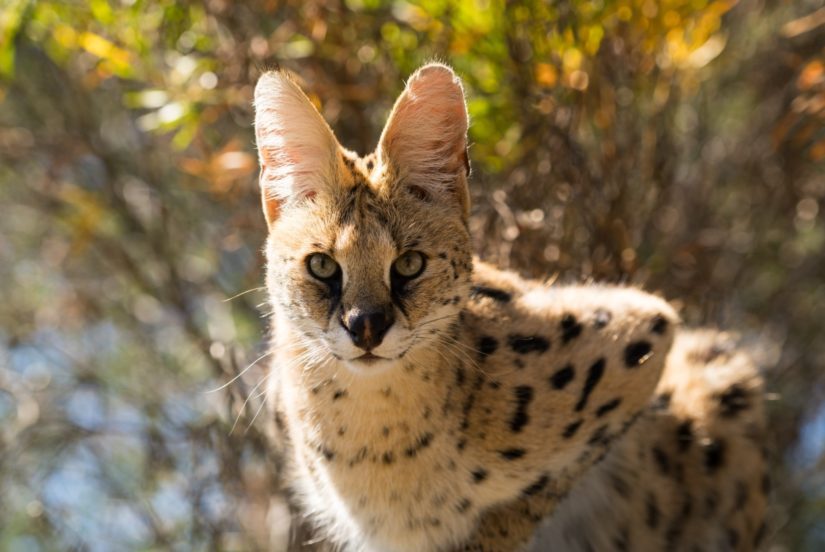
For exotic animals living free in the wild, being captured is extremely stressful. Some are caught in snares, nets, or buckets. Others are chased and pulled from hiding spots, or lured onto sticky traps. Apart from the sheer terror it causes, many animals are injured in the process too.
In many cases, it’s illegal to take exotic animals from the wild. The Convention on International Trade in Endangered Species of Wild Fauna and Flora (CITES) aims to protect species by preventing or controlling trade. Species listed on Appendix I of the Convention are threatened with extinction and can’t be traded commercially, while those on Appendix II can only enter the trade under specific circumstances.
Despite these restrictions, the black market is flourishing. People accept the risk because of the money involved. It’s cheaper to capture wild animals than breed them in captivity.
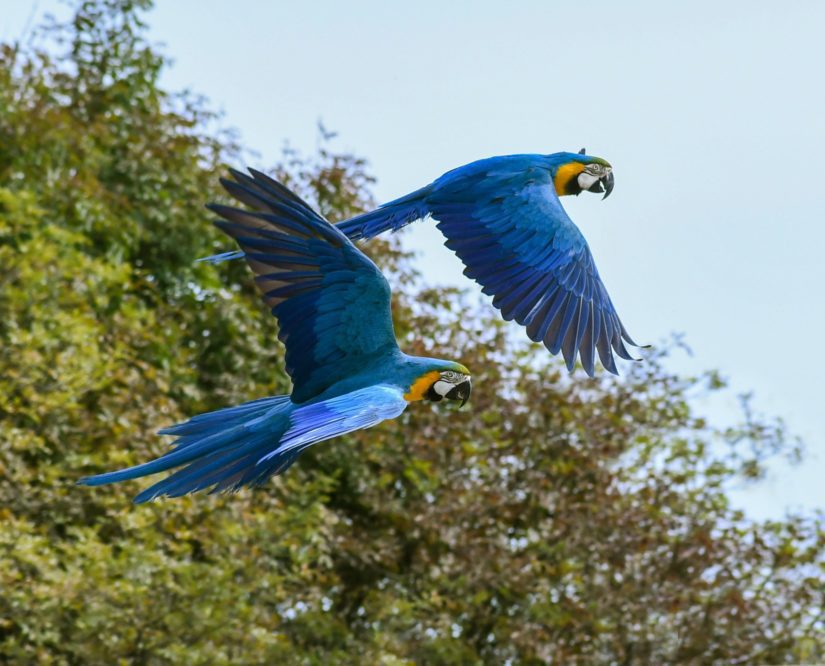
Wild capture is not only harmful to individual animals, but it can also decimate local wildlife populations and cause serious, lasting harm to their habitats. Many species have become endangered or even threatened with extinction as a result.
Transportation
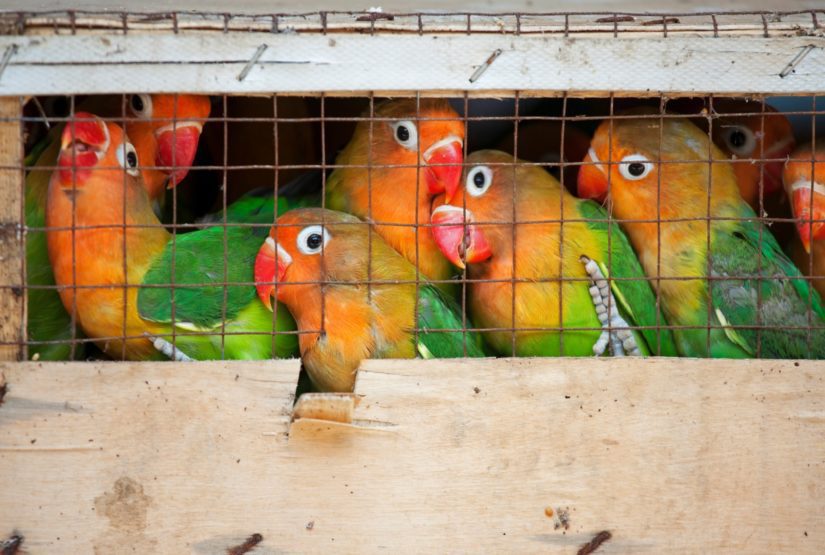
Exotic animals are shipped in a variety of containers, including boxes, bags, buckets, wooden crates and plastic tubs, many of which are completely unsuitable. Often, animals are crammed together so tightly that some are crushed. Sometimes, they’re packaged up individually with hardly any room to move.
The animals are then transported in cars or trucks or on planes, usually without food or water, from locations as far away as Australia, Africa, Asia and South America. Many do not survive the long and stressful journey.
Wholesalers
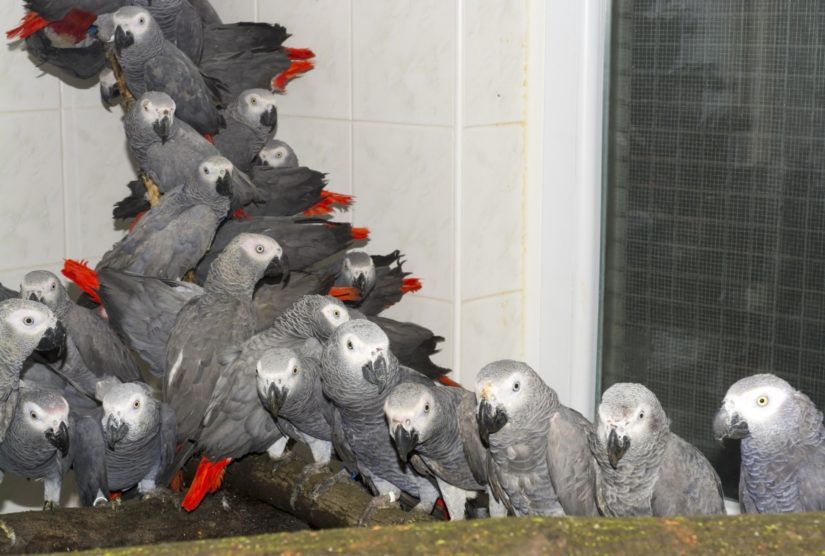
Wholesalers house many different species of reptiles, birds, amphibians, and mammals in large warehouses. They act as holding facilities, and usually keep animals in poor conditions. The enclosures are often dirty and overcrowded with nowhere for the animals to hide. In many cases, the correct heating and lighting aren’t used, and the animals aren’t fed properly. Animals who become sick or injured don’t get the medical care they need.
Although mortality rates of 70 per cent are not uncommon, wholesalers remain profitable because of the sheer volume of animals they sell.
Wildlife markets and disease dangers
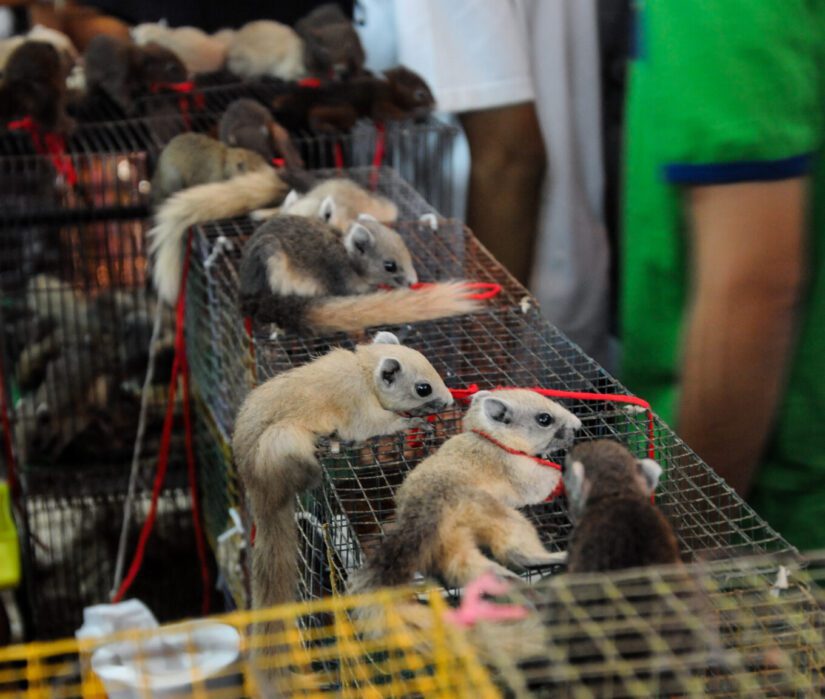
It’s also important to consider the disease risks posed by the wildlife trade. The close confinement and highly stressful conditions associated with capture and transport make exotic animals more susceptible to infection, and endanger the people and other animals who come into contact with them. The science is clear that zoonotic diseases from wildlife are a serious threat and account for at least 70 per cent of all new diseases (Emre Can et al., 2019).
Live wildlife markets have played a significant role in the regional and global spread of diseases, and are responsible for the poor treatment and exploitation of wild animals. Live animal markets, where many animals come into close proximity with each other and with people, provide the ideal conditions for a virus in one species to be transferred to another, including humans. The crowded, unsanitary, and stressful conditions for animals in live markets are unnatural and promote the emergence and spread of infectious diseases.
In 2020, the BC SPCA joined a coalition of Canadian and international organizations, academics, conservationists, and zoonotic disease experts to take action at the national level. As a result, while G20 Leaders committed to “advancing global pandemic preparedness, prevention, detection, and response” and acknowledged “the need for long-term solutions”, the Declaration from the 2020 Summit fell short of recognizing the undeniable link between the global wildlife trade and pandemics as well as the urgent action needed to end this practice.
Captive breeding
Although captive-bred exotic animals don’t face the stress of capture, they can still suffer.
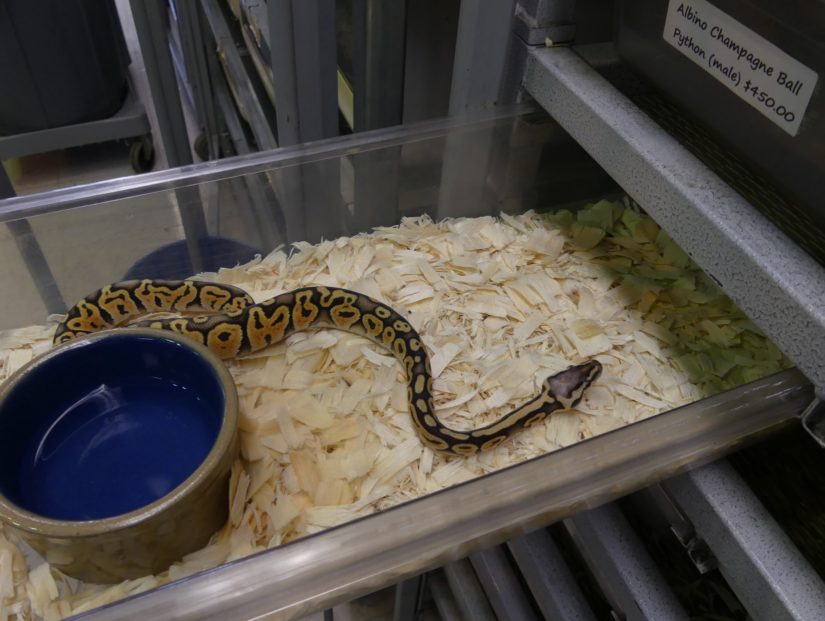
Many breeders house their animals as simply as possible in order to feed, clean, and monitor them more easily. Doing so, however, comes at the expense of the animals’ welfare. The housing is so simple that it meets only their basic needs, leaving them with few, if any, opportunities to carry out important natural behaviours.
It’s important to note that, even when they’re bred in captivity, exotic animals aren’t considered domesticated. They still have the same needs as wild animals.
Reptile ranches
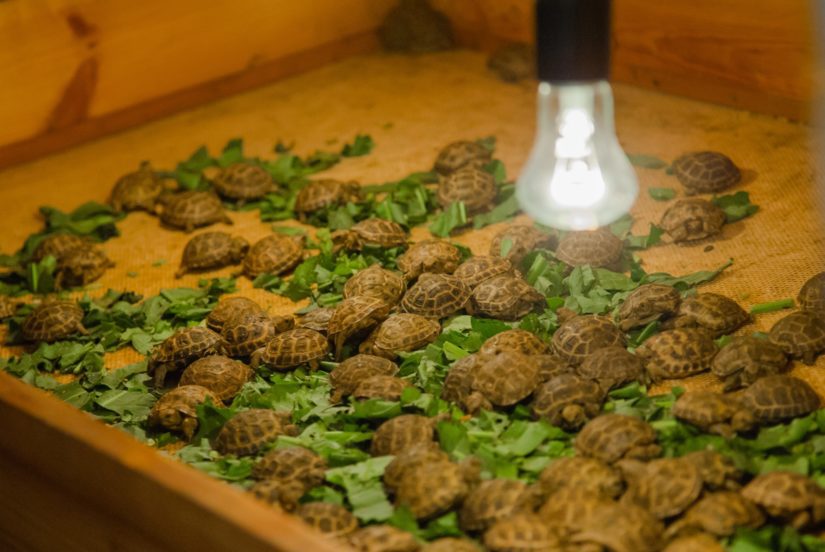
Large breeding operations raising huge numbers of reptiles, such as turtles and lizards, are often referred to as ‘farms’ or ‘ranches.’ These operations sometimes take individuals from the wild to replenish their breeding stock, or collect eggs from wild reptiles for hatching in captivity.
Captive breeding on this scale serves as an effective cover for the illegal trade in exotic animals. It’s easy to assimilate wild reptiles into existing ranch populations and label them ‘captive-bred’. There’s no way to tell the difference between the two.
Ranching can also refer to the process of capturing gravid (pregnant) females and containing them in order to collect and sell their young once they hatch. In some cases, the females are released back into the wild.
Bird breeders
As countries have clamped down on the exotic bird trade, attention has turned to captive breeding, leading to a rise in large-scale operations that are basically the avian equivalent of puppy mills.
These “bird mills” tend to keep birds in small, barren cages, depriving these sensitive, intelligent animals of the physical space, social interaction and stimulating environments they require.
What can you do to help curb the wildlife trade?
It can be overwhelming to think of how many exotic animals need our help on a global scale, but change can happen.
Exotic cats are not pets. After nearly two decades of advocacy by the BC SPCA and our dedicated supporters, the provincial government announced in 2025 the intention to add all exotic cats, including servals, caracals, leopard cats, ocelots and more, to the Controlled Alien Species (CAS) Regulation. This would prohibit the importation, breeding, sale, public display and future private ownership of all non-native and non-domestic cat species as pets.
But there is still work to be done. You can join the BC SPCA, other experts and fellow Canadians to learn about the impact of the global wildlife trade, reduce animal suffering, and make a difference locally:
- Read why we need to curb the wildlife trade from World Animal Protection.
- Contact your local pet store. Let them know how concerned you are about the exotic pet trade. Ask them not to sell exotic animals because of how much they suffer.
- Talk to friends and family about the harms of the exotic pet trade.
- Avoid sharing posts about exotic animals on social media as this can perpetuate the idea that they make easy pets.
- Think carefully before you get any pet, but especially an exotic animal. Thoroughly research their care needs. Exotic animals are wild animals, and even zoos have difficulty meeting their needs properly.
- If you already have an exotic animal, strive to provide your pet with the Five Freedoms. House them in the largest possible habitat. Find an experienced exotics veterinarian. Seek out expert advice on enrichment. Give your pet the best quality of life you can.
- Ask your local government for updated municipal bylaws to protect all exotic animals.
Read more about the BC SPCA’s position on wild and exotic animals kept as pets, and why we have concerns with keeping exotic pets.