
The proportion of healthy animals entering the BC SPCA’s care has seen a significant decline overall from 40 per cent in 2017 to 17 per cent in 2025, according to a recent 2025 Asilomar Accords report. The Asilomar Accords* were established collaboratively in 2004 by animal welfare organizations looking to establish a uniform method for collecting and reporting shelter data with the goal of saving the lives of all healthy and treatable companion animals entering shelters.
“Proportionately decreasing numbers of healthy animals coming into the BC SPCA’s care means more animals are requiring intensive medical care and support, which of course has a number of impacts on the society,” says Kahlee Demers, senior manager, animal triage and flow. “The most obvious is the amount of money the BC SPCA spends on veterinary care for these animals, which as anyone who owns a pet will tell you, can add up quickly.”
Although the BC SPCA has great relationships with veterinarians across the province who work with the Society, costs have been rising.
Since 2019, the suggested fees for an examination or consultation by a veterinarian has increased by 36 per cent, a spay or neuter surgery has increased by 56 per cent and annual vaccinations have increased by 52 per cent according to the Canadian Veterinarian Medical Association (CVMA)’s Suggested Fee Guide for Small Animal procedures.
“These animals also require more time in the animal centre or with a volunteer foster before they can be made available for adoption,” says Demers. “We have had dogs in our care for more than 100 days as we managed their health issues. We are feeding them and, taking care of all their medical needs until they are healthy enough to move on to their forever homes.”
Demers adds the reason for the decrease in the number of healthy animals coming into our care can be linked to several factors. “One of the key reasons we’re seeing is that owners are struggling to invest in preventative care because of the cost,” she says. “Sometimes people delay seeking care until a pet’s health issue becomes urgent and by that point the cost of treatment can be very high. We’re seeing his lead to lead to difficult decisions such as surrendering the animal or in the worst cases even abandoning them.”
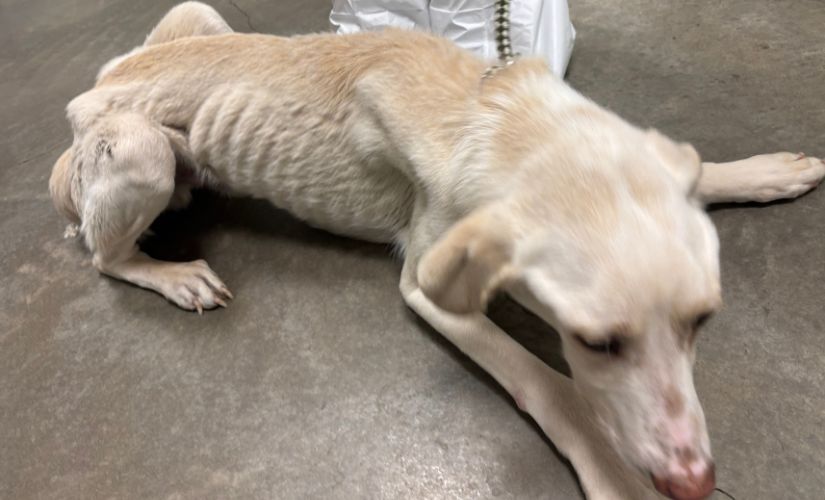
An example of just how much support animals can require when they come into the BC SPCA’s care is the recent rescue of eight young dogs found on a property in the Shuswap region, seven of which were severely starved; all the dogs were riddled with parasites and worms. The dogs were desperate for food, ingesting anything they could find, including fabric, plastic, feces, and garbage.
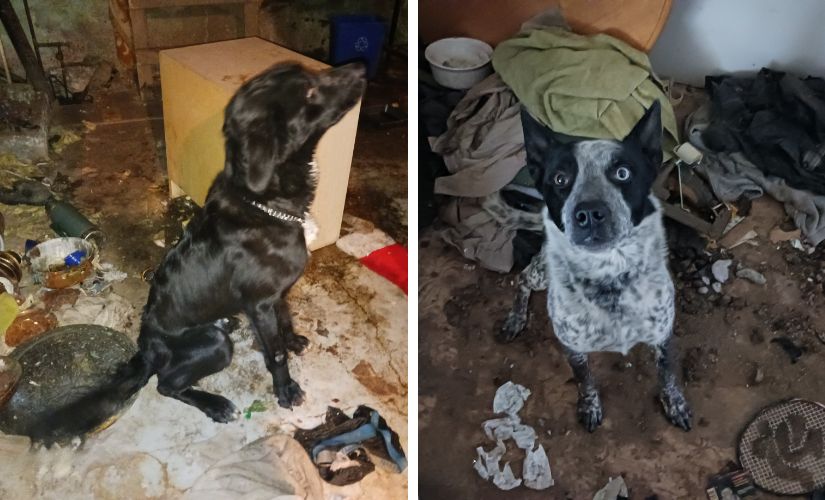
Once in BC SPCA care, the dogs were immediately brought to a veterinary clinic for assessment. Because their starvation was so severe, they required a veterinary approved refeeding plan to avoid organ failure. One dog had ingested such a large quantity of household items in attempt to sate her hunger that she developed an intestinal blockage, requiring emergency surgery. This procedure alone cost $9,000. All the dogs were also treated for giardia and worms. Three of the dogs had such severe infections that they required two sets of treatment to clear the parasites.
“Although giardia is a common parasitic infection, people underestimate the amount of work it takes to clear it up,” says Meranda Dussault, manager of the BC SPCA Shuswap in the Thompson, Okanagan and Kootenay region. “It’s not just medication, the dogs need to be bathed regularly to remove any giardia cysts from their fur, and the kennels needs to be disinfected constantly throughout the process to ensure the dogs do not get re-infected. This is all in addition to the day-to-day demands of the animal centre.”
Despite weeks of care and nourishment, many of these dogs still struggle with lingering effects of their past and will compulsively eat any object they can find.
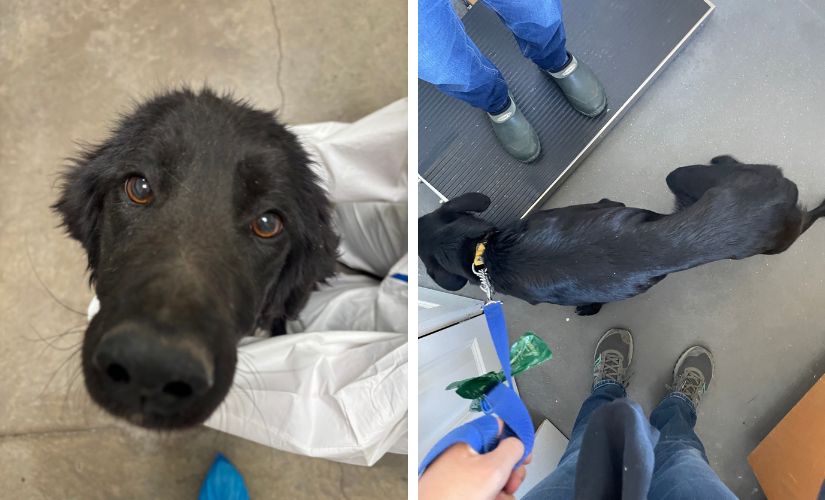
“It is hard to get a full understanding of just how painfully thin these dogs were as their long coats visibly hid their true condition. When you pet them, your hands traced their skeletons instead of healthy muscle. They have all gained weight, but they still have a long way to go,” says Dussault. “We couldn’t even offer them toys or bedding when they first arrived, because they would just compulsively eat anything they could find. The centre staff are working hard with our animal health team to help the dogs feel safe and secure, and they have made a lot of progress in the last few weeks. Our staff have done an amazing job showering them love and helping them learn to trust humans.”
Despite the extra care that goes into medically and behaviourally sensitive animals, Dussault says the reward for all this demanding work is seeing the dogs become healthy and happy. “Most of them have turned a new page and we are beginning to see their personalities shine through. Smiles is just the happiest boy now. He does a full body wag when he sees you coming. You would never know he had such a rough start to life.”
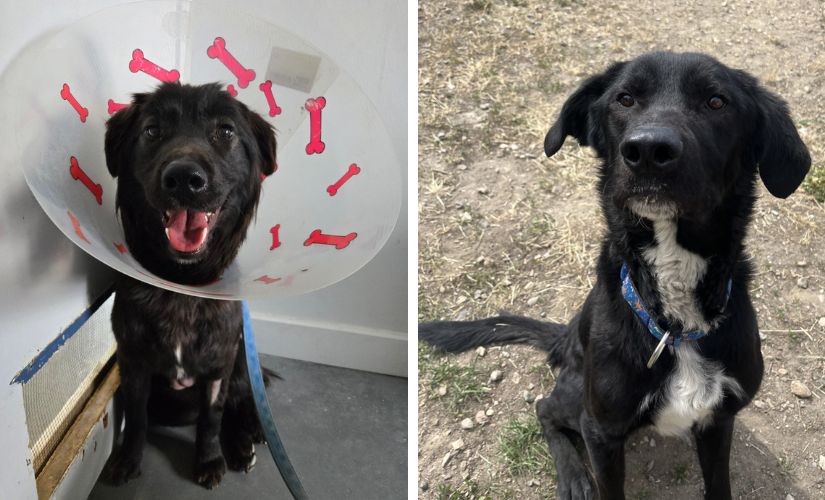
May 26 marks the BC SPCA’s first Giving Day – For the Love of Animals! Thanks to Hill’s Pet Nutrition, every donation will be doubled up to $100,000. Please consider making a donation.
The BC SPCA conducts around 7,000 animal protection investigations a year. The BC SPCA receives no government funding for this work, which is 100% funded by the public. Donations to the BC SPCA support investigations and bring abusers to justice.
*In 2016, the BC SPCA implemented the Asilomar Accords data collection system at all BC SPCA sheltering facilities. This process is part of ongoing efforts to save more companion animals, assure consistent operational practices, use resources to help the greatest possible number of animals, and promote transparency and collaboration.