
World Wildlife Day is a day to celebrate the incredible wildlife that we have here in B.C. and beyond, to reflect about the importance of coexisting with our wild neighbours, and to learn more about how to protect the many vulnerable species that are admitted for care at Wild ARC.
In 2026, the theme for World Wildlife Day is “Medicinal and Aromatic Plants: Conserving Health, Heritage and Livelihoods”, spotlighting the importance of local native plant species and their role in both human health and ecosystem balance. One way to celebrate this theme and protect our wild neighbours, is to plant local native species in our own backyards!
Delving into the world of backyard habitats not only offers joy and fulfilment, it also fosters a deeper connection with the vibrant wildlife thriving in your very own neighbourhood. Learn how to create a backyard habitat that helps nurture local wildlife and brings birds and animals to your backyard. Whether you live in the city or a rural area, you can provide the three basic necessities – natural food, shelter, and water – that will help attract and enhance the enjoyment of your space for wildlife.
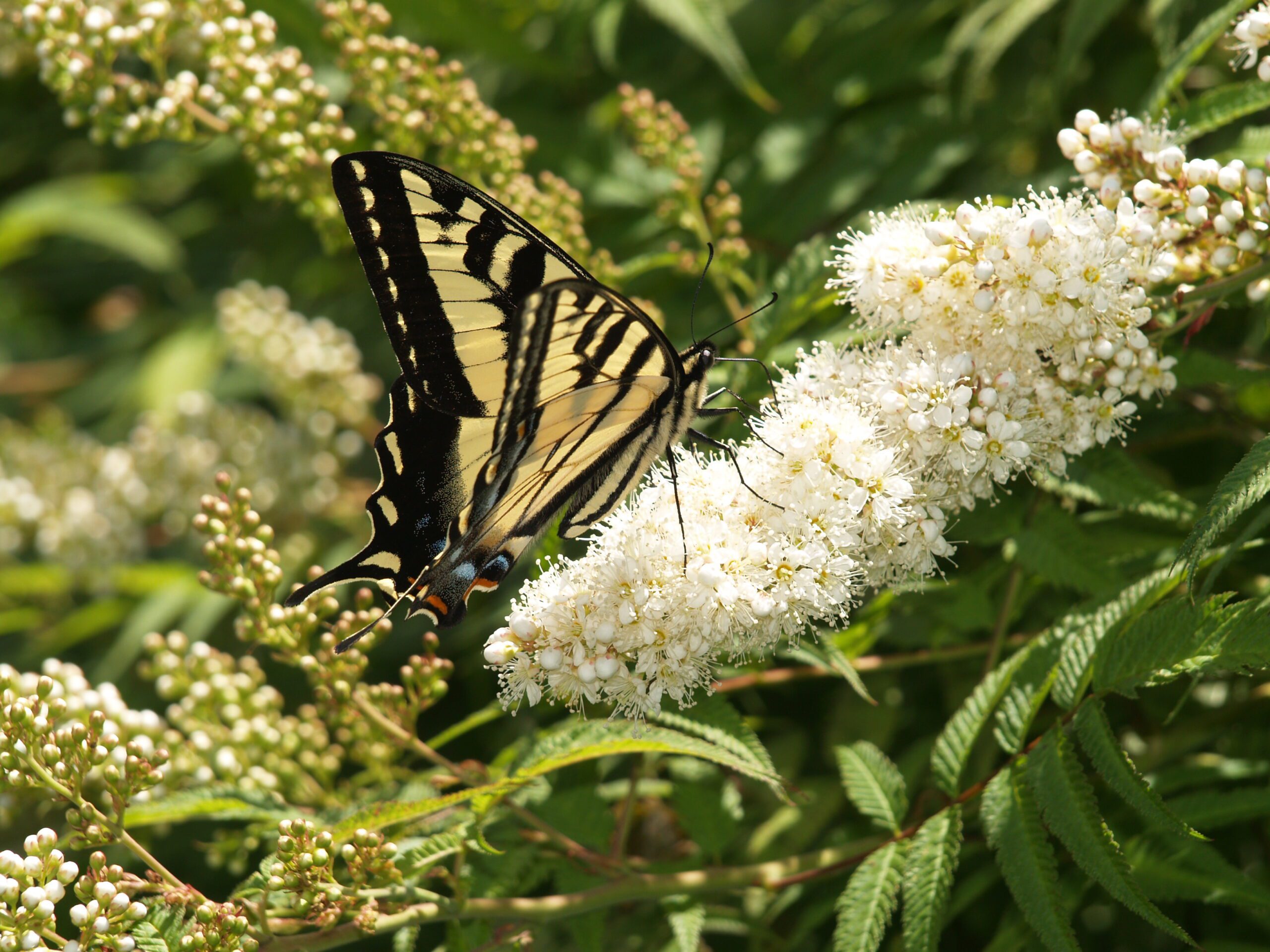
Plant a wildlife-friendly garden
Birds, bunnies, and other animals, like deer, naturally feed on surrounding plants and bushes. To create a backyard wildlife-friendly landscape, you want to keep your outdoor space as natural and wild as possible.
Here are just a few quick tips on attracting wildlife to your yard:
- Keep your garden natural and wild. Native plants are adapted to local climates and can provide food to wildlife year-round. They also attract pollinators and native insects, which in turn, attract the wild animals who eat them.
- Let a part of your lawn grow long. Long grass retains moisture better (less watering!) and provides a great habitat for insects, which draws in insect-eating wildlife too.
- Choose plants that wildlife love. Sunflowers are a great choice for those who want to help wildlife. These cheery sunshine-hued plants provide pollen and nectar for pollinators, such as honeybees, when they are in bloom and their seeds feed birds in the fall.
- You can attract birds with native plants like mock orange, large-leaved lupine, red-flowering currant, orange honeysuckle, and more, that have seeds, berries or nectar for them to eat. Hummingbirds love brightly-coloured flowers that are tubular and hold lots of nectar, like bee balms, rhododendrons, columbines, day lilies and hollyhocks. Learn more about being PlantWise and choosing native plants for your garden.
- Planting verbenas, asters and wild roses are perfect for short-tongued insects such as bees and flies.
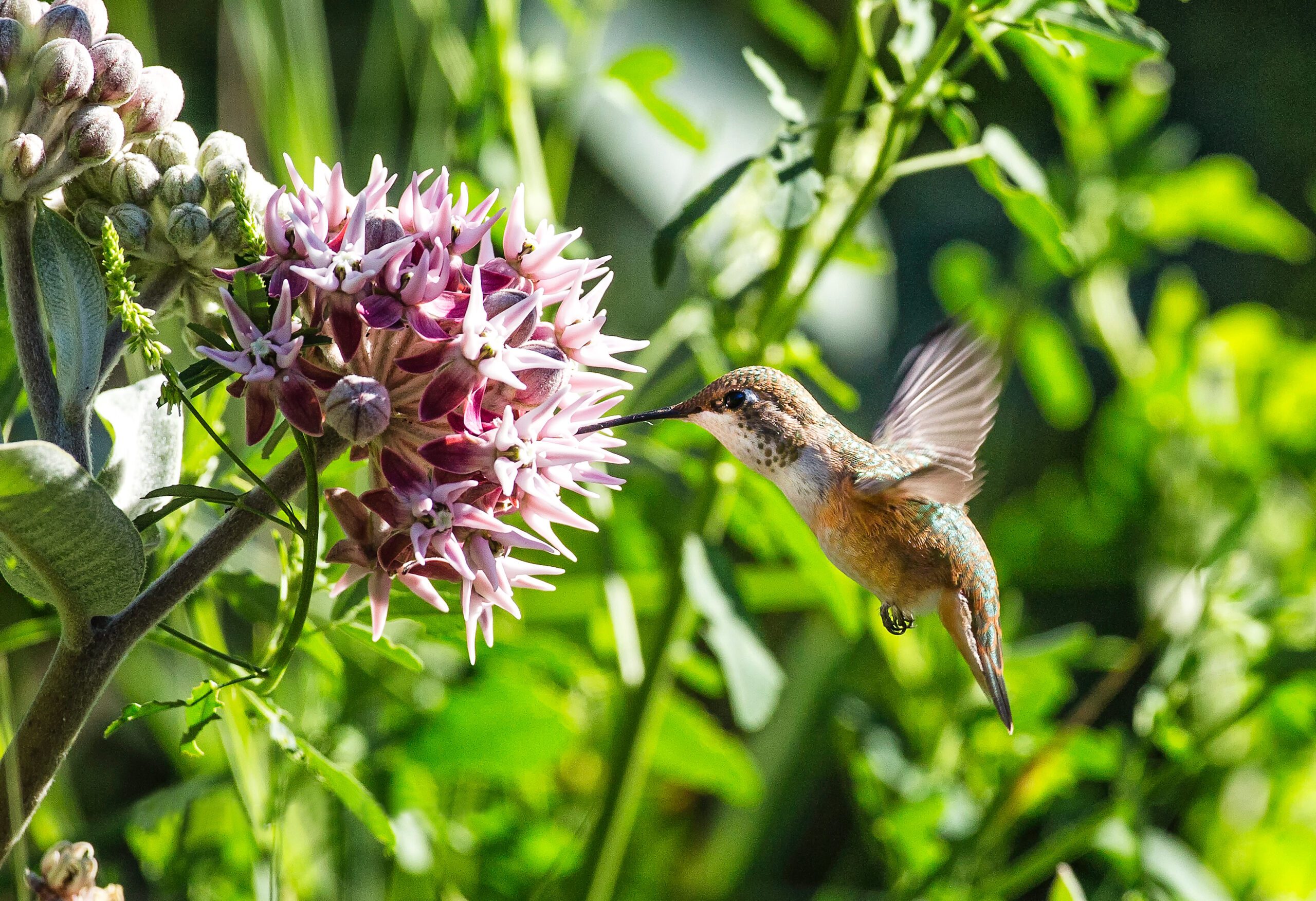
Provide some natural shelter
Wild animals need natural shelter, like trees and shrubs, to provide coverage from rain, wind and snow while also providing protection from predators. An absence or shortage of shelter on your property will limit visits from wildlife. Some ideas for natural shelter include:
- If your outdoor space allows, consider letting a section of your yard grow naturally. This will encourage native flowers and grasses to blossom, as the local wildlife will see your garden as an extension of their existing habitat and will be more likely to visit. You might also want to consider planting native trees. For example, planting evergreens provides effective cover in the cold winter months, while deciduous trees help block the sun but allow for more air circulation.
- Brush piles made from logs, branches, flower stalks, leaves and twigs can give dense cover to small mammals, birds, reptiles and amphibians. As the piles slowly decay, they attract more insects, providing additional food for birds.
- Rock piles, especially when positioned near water and on sunny south-facing slopes, can provide great habitat for frogs and snakes.
- Piles of leaf litter can provide a place for insects, birds, and amphibians to find food, hide, nest and overwinter. They also serve as a natural mulch to fertilize the soil.
For birds, shelter is important because unlike people, birds can’t sweat to cool down – but they do have other ways to keep cool. Birds may pant (to help dissipate heat), puff up their feathers, flutter their wings, take a splash, or simply seek shade.
During the hottest months of the year, you can help birds beat the heat by turning your yard into a shade haven. Native trees and shrubs with dense branches provide the best shade, and can be layered with other native plants for layers of shelter. Longer grass, vines, and dense groundcover can also help make cool spots. Plants that provide natural food and shade are a bonus!
You can also put out birdhouses or nestboxes, which should be placed on a pole or up a tree at least three feet off the ground and should be cleaned before the start of the nesting season. In a pinch, you can use wide garden umbrellas with a sturdy base. Place these in the greenest corners of your yard, where birds are mostly likely to visit. Growing a shade haven may take a while, but it will pay off in the long run for the birds (and bird watchers).
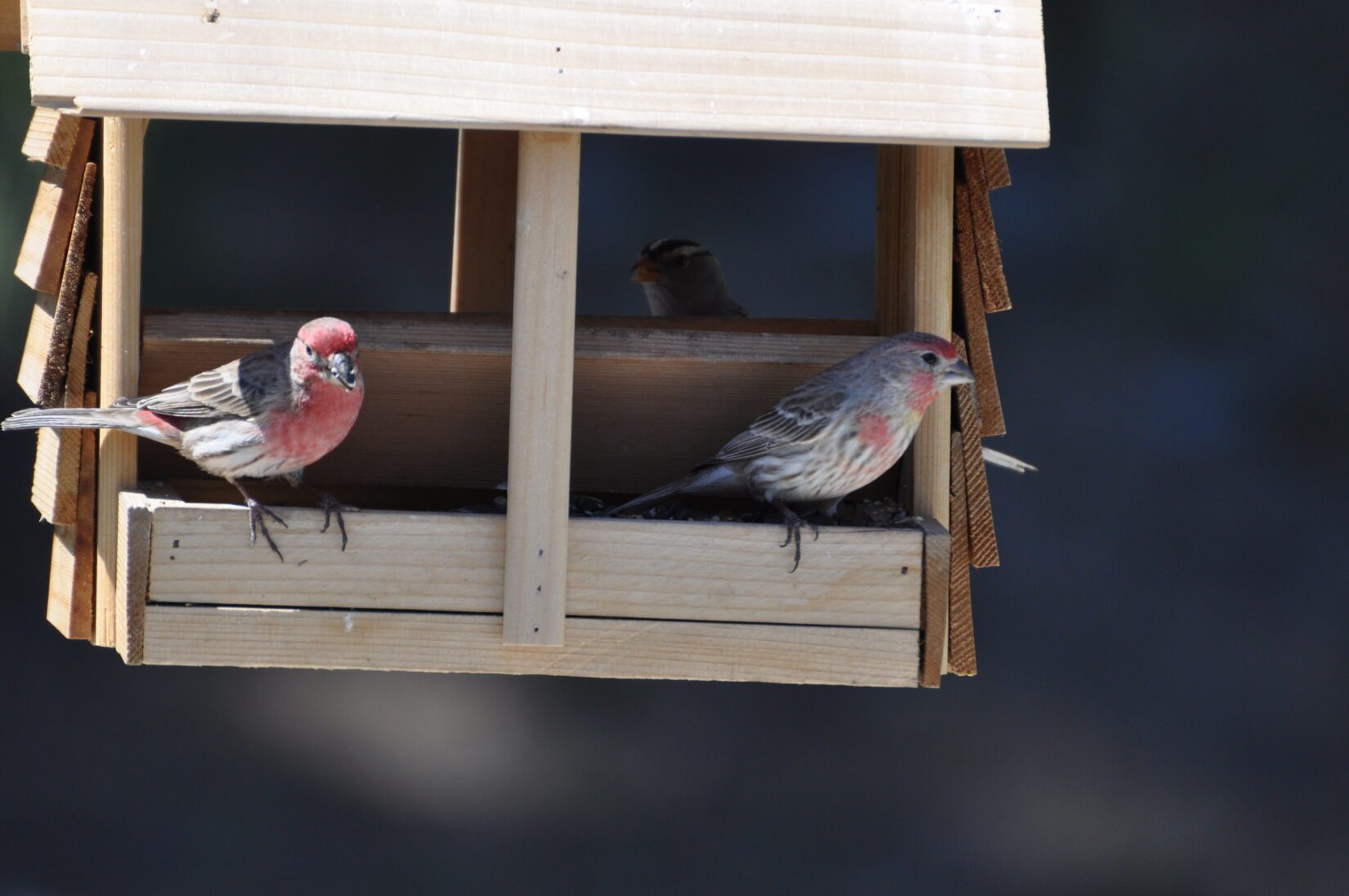
Use a bird bath
With a bird bath, you are bound to get all sorts of visitors. The best baths are those that mimic shallow puddles (which are basically nature’s bird baths).
Want to up your bird bath game? Add a water dripper! Birds will be attracted to the sound and movement of the water.
All you will need is a plastic milk jug. Poke a tiny hole in the bottom and hang it above your bird bath so that it drips slowly down into the bath throughout the day. Be sure to unscrew the lid a little. Releasing some air this way will keep the jug from collapsing in on itself. Refill the dripper every day or two, and regularly clean your bird baths to prevent disease*.
Well-maintained bird baths and running water sources are considered relatively low-risk for spreading diseases. Water sources must be emptied, cleaned, and refilled regularly. If you see any signs of sick birds in your yard, empty the water sources and discontinue use immediately.
*Well-maintained bird baths and running water sources are considered lower risk for disease. Water sources must be emptied, cleaned, and refilled regularly to prevent disease spread. If you see any signs of sick birds in your yard, empty the water sources and discontinue use immediately.
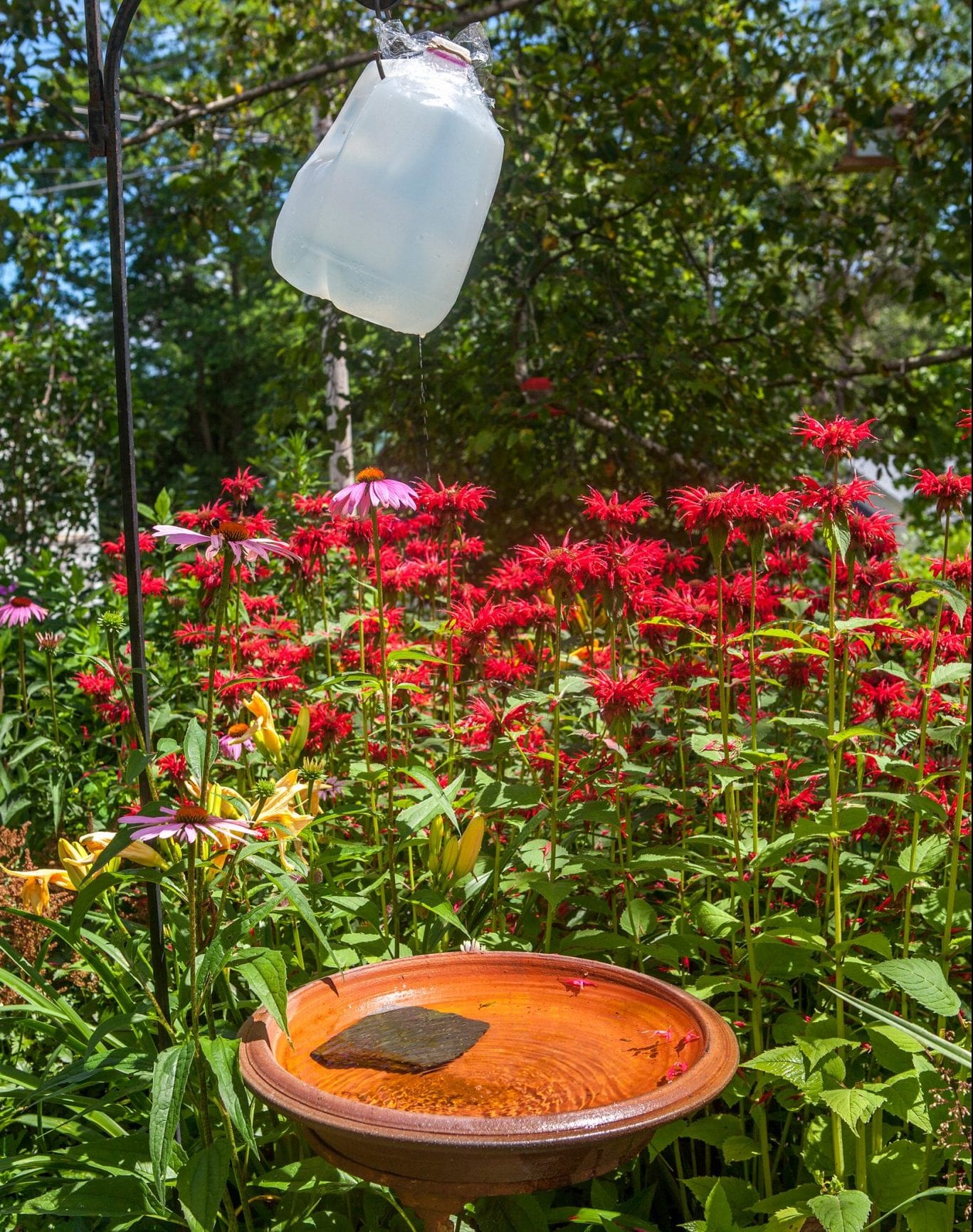
Backyard wildlife safety
Remember that our feathered and furred friends rely on you to keep your backyards safe for visits. You can help by:
- Keeping cats indoors or safe in catios, or supervising outdoor time. Buy a cat bib or Birdsbesafe collar cover, and encourage your neighbours to do the same.
- If you see sick birds at your feeder, bird bath, or in the area, immediately remove your bird feeders and keep them down for at least one to two weeks before putting them back up clean and full of fresh seed. Sick birds may appear lethargic, unusually “fluffed up”, and may show signs of irritation around the eyes, including redness, crustiness or swelling. Learn more about why it’s important to ensure that bird feeders are cleaned regularly
- Prevent window strikes by placing feeders very close to windows – less than one metre away, check your windows, and make your windows safer for birds with FeatherFriendly or CollidEscape tape.
- Take a look around your yard to make sure it’s safe for wildlife and free from items that could get tangled.
- For sick or injured wildlife, contact your local wildlife rehabilitation centre or the BC SPCA Animal Helpline at 1-855-622-7722 for advice.