
When buying eggs, you may find yourself overwhelmed with choices. The various labels on egg cartons may look appealing, but do they truly reflect the welfare of the laying hens? Here’s how you can make informed choices to ensure higher welfare for laying hens.
Support higher welfare for laying hens
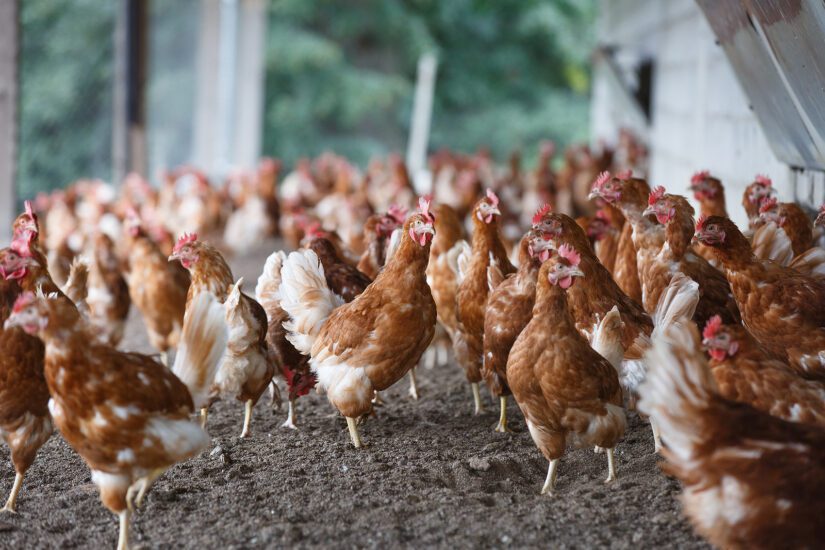
To better support laying hen welfare, choose cage-free eggs by looking for free-run, free-range or organic eggs. These labels mean that the laying hens are not raised in cages, and have more space and opportunities to express their natural behaviours.
Better yet, look for animal welfare-certified eggs
Certified eggs are the best option for ensuring the highest possible hen welfare on farms. The animal welfare certification programs listed below certify cage-free farms that follow high standards of care. Independent inspections are routinely conducted to verify that standards are being met on the farm.
Types of egg production
In Canada, there are five types of egg production based on the housing systems for laying hens.
Organic
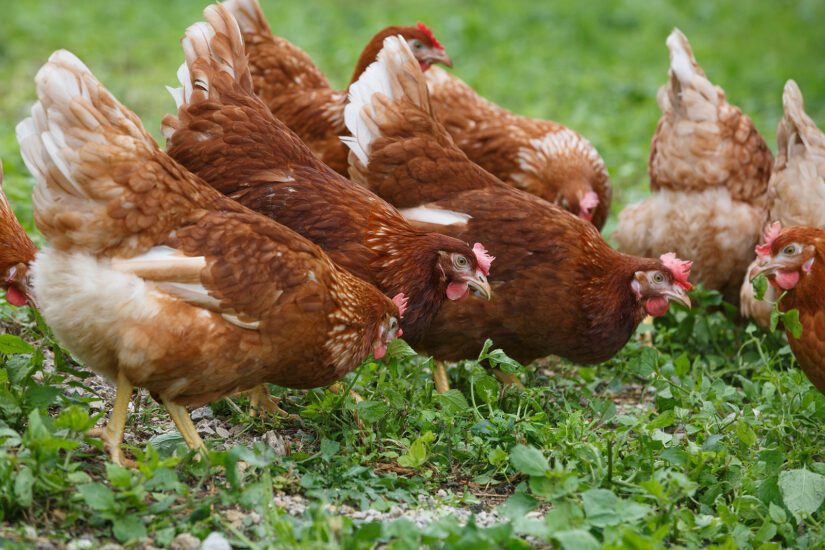
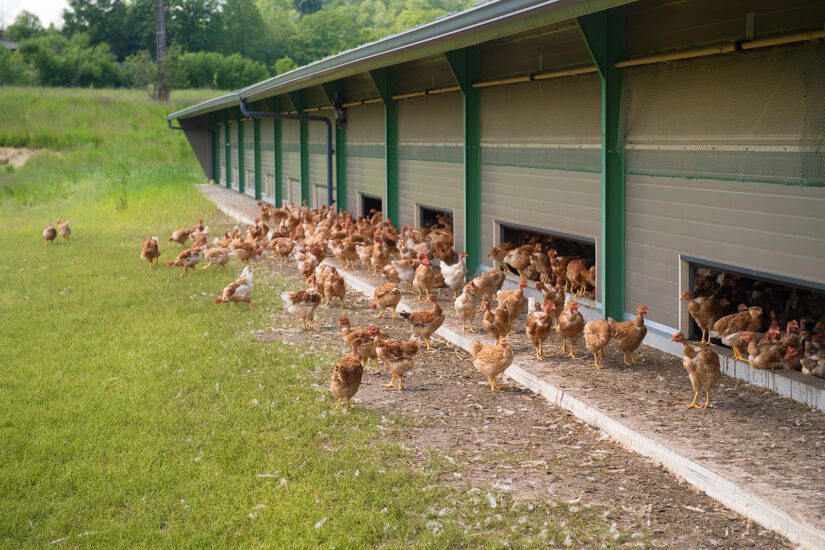
Organic eggs come from free‑range hens raised according to the Canadian Organic Standards. These hens receive more indoor and outdoor space than typical free‑range systems and must have continuous outdoor access for at least one‑third of their lives. When weather or disease limits outdoor access, farmers must provide an enriched verandah, a protected outdoor‑like area attached to the barn.
Independent auditors routinely inspect organic farms.
Free-range
There is no legal definition of “free‑range” in Canada, so the amount of outdoor time can vary
Free-run
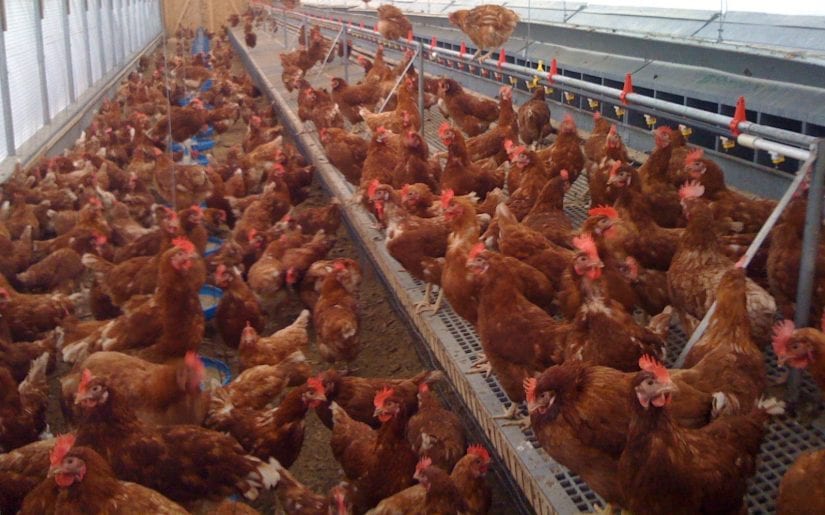
In a free-run housing system, hens are not confined in cages. They are loose in the barn and can roam where they please. Enrichments, including perches and litter, are provided to encourage natural behaviours of perching, scratching, and dustbathing. They’re also provided with nest areas where they can lay their eggs.
Enriched
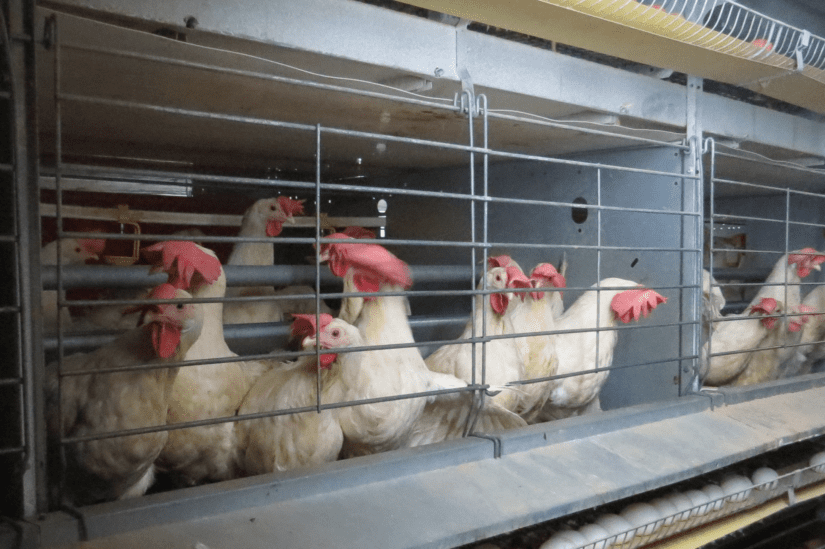
Enriched cages provide more space per bird than conventional cages and are equipped with some features to make the hens more comfortable. Larger groups of hens are raised in wire cages with nest boxes, perches and scratch pads to peck at. However, the space is still restrictive, and the hens cannot fully express their natural behaviours and benefit from these enrichments. These eggs might have a label on the carton about hen housing.
Cage-free is a term that can be applied to the remaining three production types: free-run, free-range and organic. The BC SPCA recommends choosing cage-free eggs.
Conventional
Conventional cages provide the lowest space per bird of all housing systems. Small groups of hens are raised in wire cages where they are provided with feed and water but no enrichments. Conventional cages allow for high egg production with low labour, making them the most inexpensive eggs on grocery store shelves. However, this comes at a cost to the hens’ welfare. Their movement is severely limited, and they cannot express their natural behaviours, such as perching, scratching, dustbathing and nesting, causing frustration. These eggs usually have no specific label on the carton about hen housing.
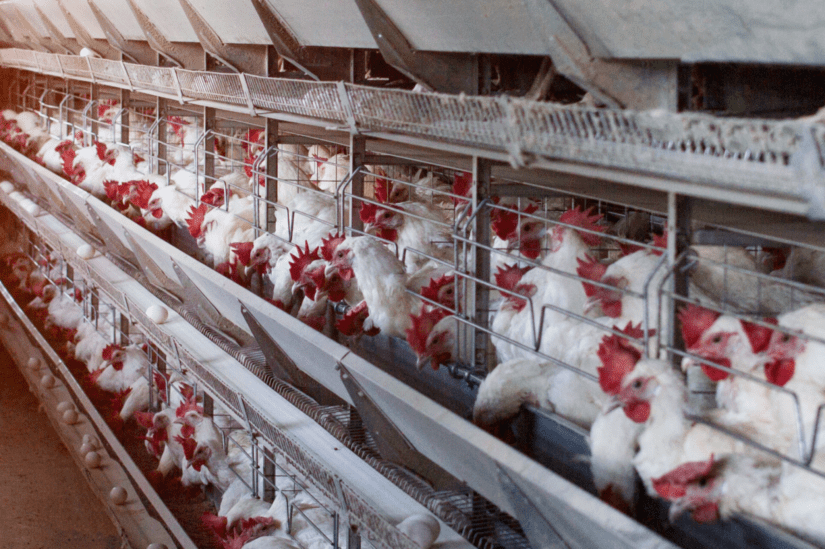
Conventional cage phase-out
In 2017, the Code of Practice for the Care and Handling of Laying Hens was updated and requires that conventional cages in Canada be phased out by 2036 due to the animal welfare concerns they present. All hens must be housed in enriched or non-cage housing systems (free-run, free-range, organic) by the phase-out date.
Enriched cages will be the new standard for your least expensive grocery store eggs after conventional cages are phased out. While enriched cages are an improvement over conventional cages, they do not fully meet the needs of laying hens.
Consumer demand and scientific research drove the decision to transition away from conventional cages. Transitioning from conventional cages to a different type of housing is a complex process for farmers, as older barns may need to be redesigned or entirely replaced. More land may also need to be acquired as the other housing systems take up more space. These modifications take time, which is why the transition has a target completion date of 2036.
Progress
Since the announcement to phase out conventional cages, the number of eggs produced by hens in conventional cages in B.C. has fallen from 76.5% (2017) to 38.4% (2023). Unfortunately, most conventional cage farms install enriched cages rather than going cage-free. So, 68.5% of B.C.’s eggs come from hens still raised in cages.
Thank you for doing your part to improve the lives laying hens! Download our egg guide to learn more.
Subscribe to FarmSense
Are you passionate about farmed animal welfare? FarmSense is delivered four times a year and includes news about farmed animal welfare, and updates on what we are doing to help improve the lives of farmed animals. Subscribe now!
The BC SPCA uses your personal information to update you on our work for animals as well as for advertising and analytics purposes. More information on uses and how to opt-out can be found in our Privacy Policy.