
For the first time since 2013, the Code of Practice for the Care and Handling of Beef Cattle is being updated, and the public is invited to provide input. This is your chance to ensure these standards help protect animal welfare. While progress has been made in a few key areas, such as protecting cattle from extreme heat and providing pain control, many other important areas have not improved since the 2013 version.
The BC SPCA would like to see measurable standards for more aspects of cattle care, including space allowance, weaning, shelter, lameness, and checking on the herd.
The National Farm Animal Care Council (NFACC) has now opened the public comment period. This stage of the process allows the public to review the draft Code and submit feedback before it is finalized.
The Code sets out the minimum standards of care farmers are expected to follow when raising beef cattle nationwide. The update to the Code follows an earlier national survey that gathered the public’s top beef cattle welfare concerns. That input, along with a scientific review of current research, was used by a diverse team of experts to develop the draft Code.
To ensure your submission is accepted, follow the tips below!
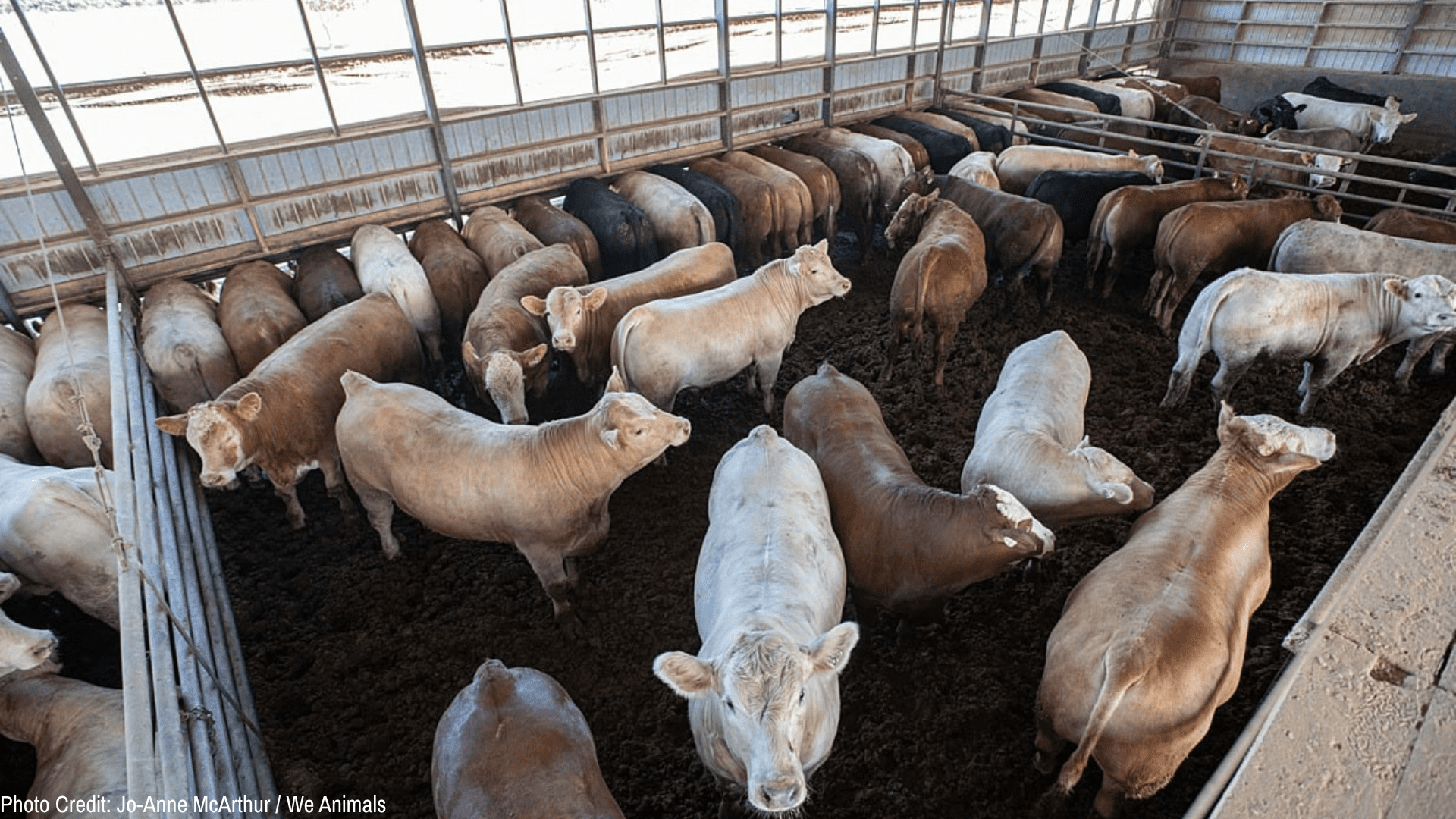
Key welfare issues for beef cattle we would like to see addressed:
Space Allowances
Section 1.2
The Code does not have clear space allowances. Easily measurable standards for indoor and outdoor spaces are needed.
Why this is important: Cattle need enough space to move around, access feed, water, and resting space, avoid dominant animals, and lie down comfortably.
Lameness
Section 3.3.2
There are no targeted requirements to prevent lameness or keep the level of lameness below a specific target. The Code needs to include clear expectations for lameness prevention and set targets to ensure lameness is addressed before issues impact a large portion of a herd.
Many factors impact lameness, including environment (section 1), space allowance (section 1.2), nutrition (section 2.1), and genetics (section 3), so specific requirements in these sections to prevent lameness are also important.
Why this is important: Lameness is a painful condition of the leg or hoof. In addition to feeling pain, lame cattle are less able to escape from predators and reach food and water.
Weaning
Section 4.6.2
There are no requirements related to weaning. The Code Development Committee, which writes the Code, identified this as a key welfare issue when the Beef Code was developed in 2013 and again at this review, yet no requirements have been set. The Beef Code needs to incorporate science-based weaning requirements.
Why this is important: The weaning process is an extremely stressful event for both the dam (mother cow) and the calf. Stress from weaning lasts several days and can lead to sickness. There are many ways to reduce stress during this time.
Shelter
Section 1.1
In this draft Code, cattle are only required to have access to shelter if weather is likely to create a “serious risk to their welfare.” This requirement is extremely difficult to measure and leaves too much room for interpretation. It could leave cattle out in extreme cold and heat if the risk to their welfare is not “serious.” A clear requirement for shelter, including the size of the shelter, is required.
Why this is important: Cattle raised for beef, unlike many other farmed animals, spend part of their lives outdoors. Time outdoors can be enriching for cattle, but protection from the extremes of heat and cold common to Canada is essential.
Checking on the herd
Section 3.1
There is no requirement that the farmer or rancher check on their cattle. This is an essential part of caring for any animal.
Why this is important: The Code must require monitoring to ensure health and welfare and to enable timely intervention in the event of illness, accidents, or issues with feed or water. Most other NFACC Codes (e.g. goats, poultry, foxes, mink, salmonids, rabbits, sheep, pigs, pullets and laying hens, chickens, turkeys, and breeders, and veal cattle) require at least daily monitoring of animals.
Tips to follow when filling out the NFACC survey:
- Use your own words
- Be polite
- Address on-farm welfare issues – the Code does not cover transport
- Suggest exact changes you would like to see and provide references, examples and explanations, where possible, to explain why you would like to see a change.
-
-
- For example: “Section 4.6.2 (Weaning): The Code currently has no requirements related to weaning. The Code Development Committee identified weaning as a key welfare issue in 2013 and again during this review; however, no requirements have been established. As outlined in the Science report created for this Code, weaning causes significant distress to both the calf and the dam, resulting in negative welfare implications that extend beyond behavioural changes alone (Schwartzkopf-Genswein et al, 2025). Weaned calves are more prone to disease and are twice as likely to die from infection compared to calves that have been pre adapted to weaning (Hodgson et al. 2012). Therefore, low stress weaning must be a requirement in the Code. Add a requirement that farms use a low-stress weaning method, such as two-stage weaning or fence-line weaning. Add a requirement prohibiting abrupt weaning.
-
The survey is open for anyone to participate in until June 12th, 2026.
Learn more
- Learn about beef cattle production in Canada and other welfare issues they may face.
- Learn how the Code helps protect cattle raised for beef in B.C.