
Coyotes have become common sights in cities, towns and farms across North America. The Lower Mainland is home to an estimated 2,000 to 3,000 urban coyotes, which moved into the area in the 1980s. There are no coyotes on Vancouver Island or the Gulf Islands.
Coyotes are related to wolves, foxes and dogs. Just like our pet dogs, coyotes are smart, social and playful, but they have a bad reputation for killing pets and small animals. This is the same trait that makes them important to our ecosystem, as a scavenger and major rodent predator. Rodents are a big portion of an urban coyote’s diet, making them important agents of natural pest control.
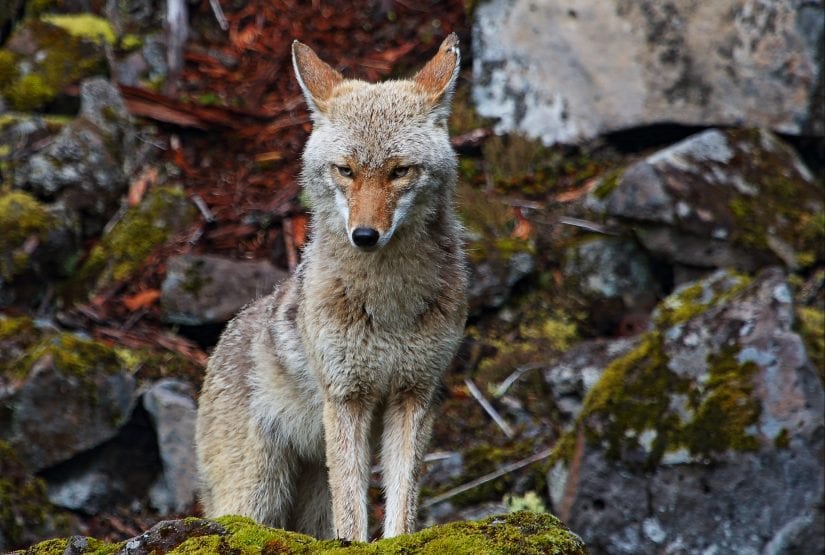
Coyotes are generalists that eat small mammals like rats, mice, shrews, voles, squirrels and rabbits. However, coyotes will also eat garbage, compost, fallen fruit, seeds from bird feeders and pet food. They will also prey on free-roaming cats, small dogs and chickens if given the chance. While hearing coyotes at night is sometimes attributed to the coyotes celebrating a recent kill, this is unlikely to be the reason because the noise would attract other predators who may compete for food. Instead, the noise is more likely the coyote family communicating with each other.
Coyotes are not rabies carriers in B.C., but they can get skin diseases that often make them look sick. Young coyotes can get help from professional wildlife rehabilitators when injured or sick.
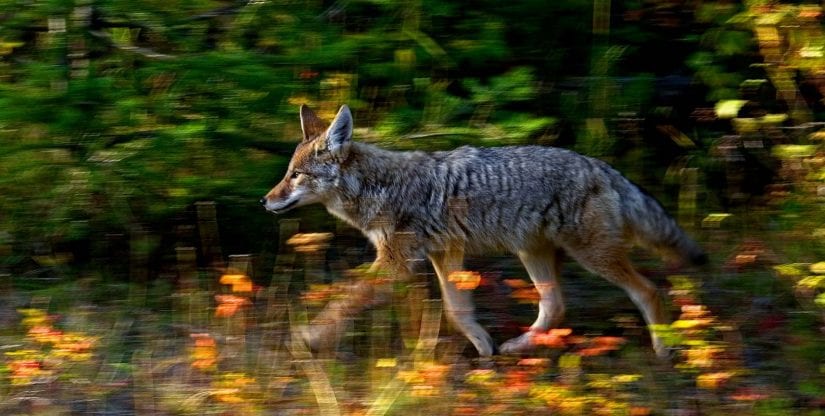
Protect pets, children and animals from coyotes
Coyotes are generally not dangerous to people, but some lose their fear when they are fed and may attack small pets or unattended small children. Often these aggressive individual animals have been regularly fed by someone in the area.
If you see a coyote, scare them away by yelling, stamping your feet and waving your arms. Make lots of noise and try to look big. This may feel silly, but will help the coyote avoid future problems. Teach children how to scare away a coyote if they see one, but never throw anything at the animals.
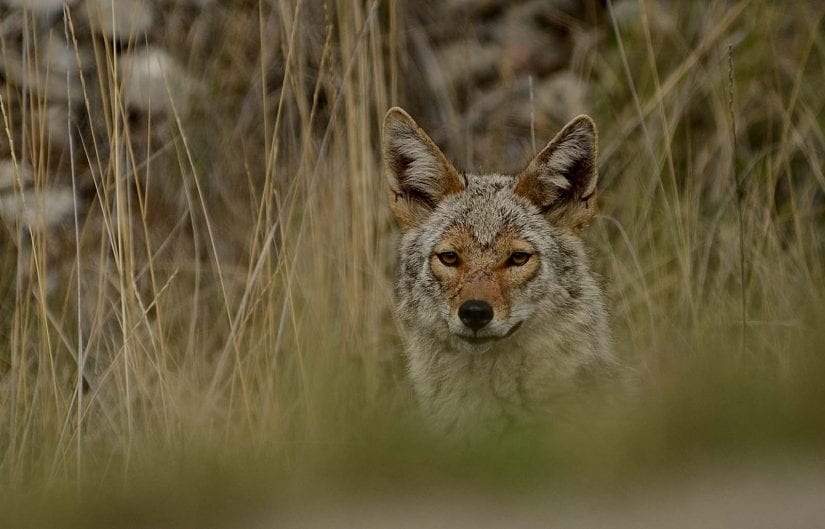
To protect pets and children:
- Don’t feed coyotes
- Supervise small children outdoors
- Supervise pets outdoors – keep pets indoors from dusk to dawn
- Keep your cat indoors – the only way to guarantee your cat’s safety is by making them an indoor pet or providing an enclosed area or supervised outdoor time
- Maintain your home – prevent rodents from attracting coyotes
- Protect farm animals – use fencing at least two metres high, ensure enclosures are well-built and ideally contain animals in secure barns/coops at night
Call the B.C. Conservation Officer Service at 1-877-952-7277 to report an aggressive or threatening coyote.
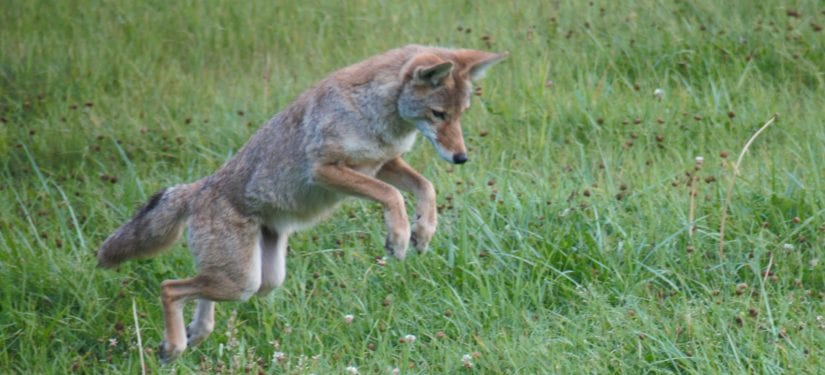
Spay or neuter, and leash dogs to prevent problems
Coyotes are sometimes accused of “luring” dogs away. In most cases, coyotes simply pique the interest of off-leashed or unsupervised dogs who follow or chase them. In response, coyotes return to their families for safety ultimately leading to conflicts between dogs and coyotes. Coyotes may also be attracted to and can mate with unspayed or unneutered dogs. Among other reasons, spay and neuter your pets to prevent conflicts from happening.